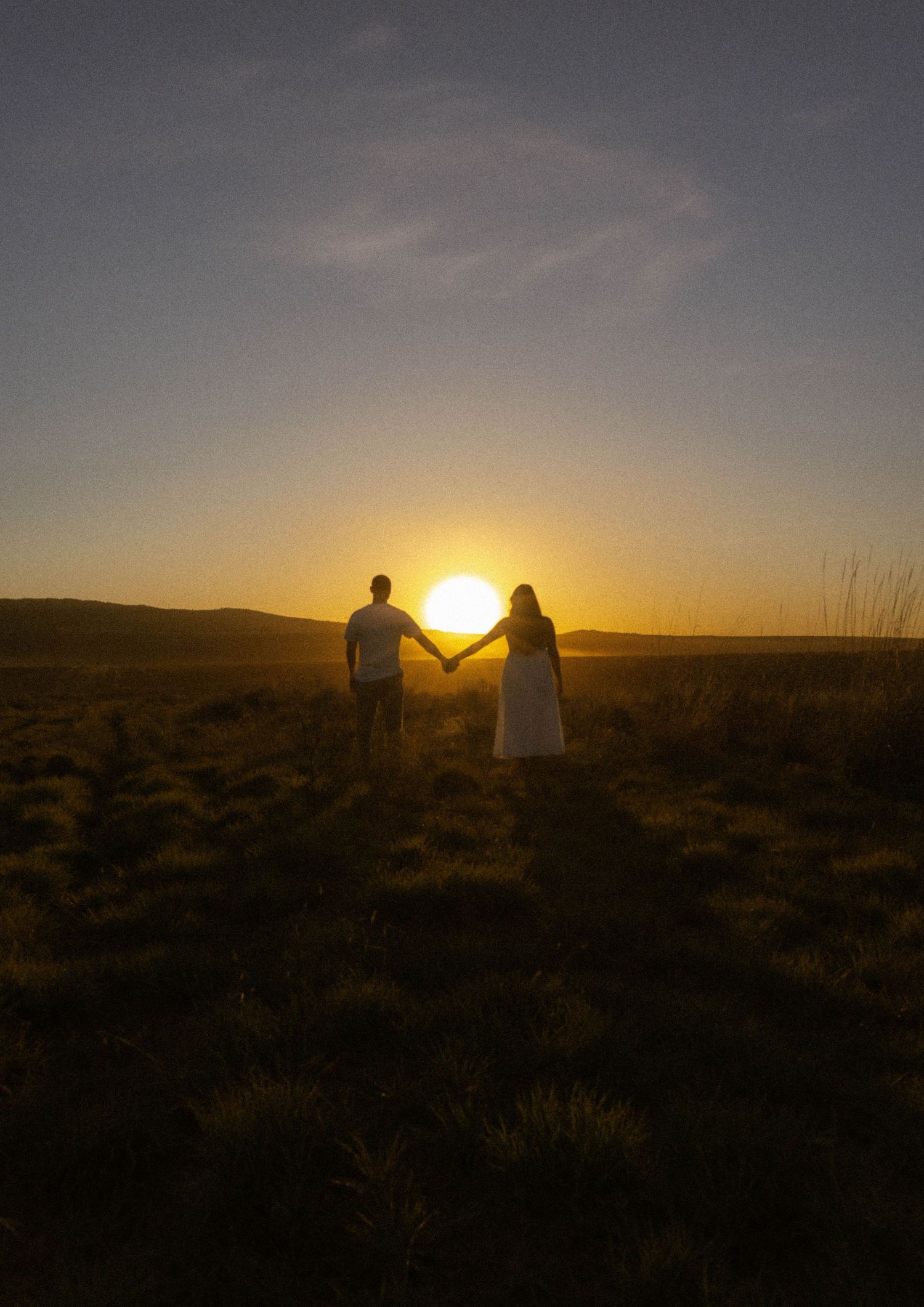
Chasing the Golden Hour: Why Photographers Are Obsessed with Sunset.
If you’ve ever seen a group of photographers standing in a field, tripod-ready and staring intensely at the horizon, you’ve witnessed the daily ritual of "Chasing the Light."While modern cameras are technical marvels, they still can’t quite beat the natural mastery of a sunset. Here is why every photographer—from the weekend hobbyist to the seasoned pro—treats the hour before dusk like it’s made of literal gold.
1. That Iconic "Golden Hour" Glow.
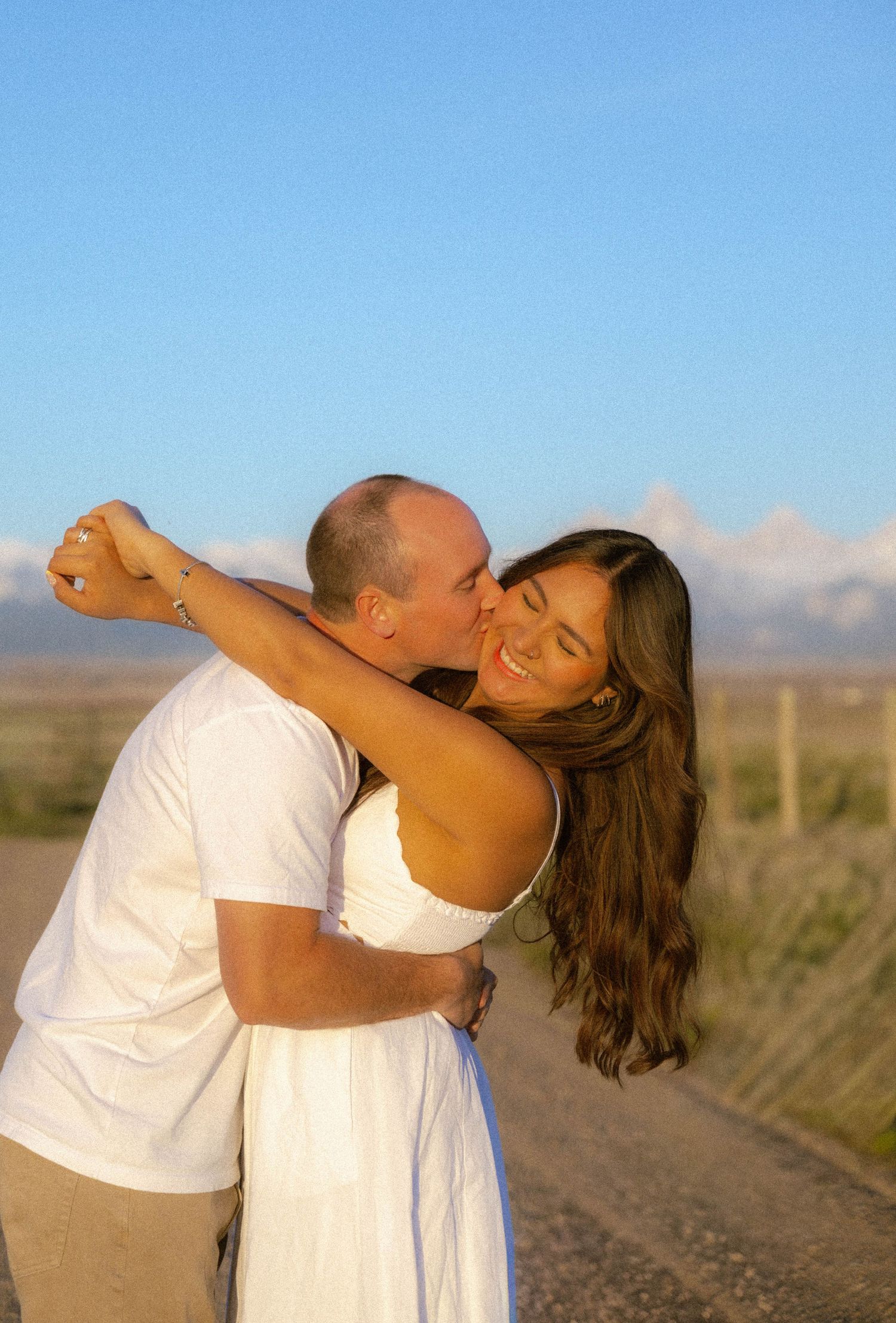
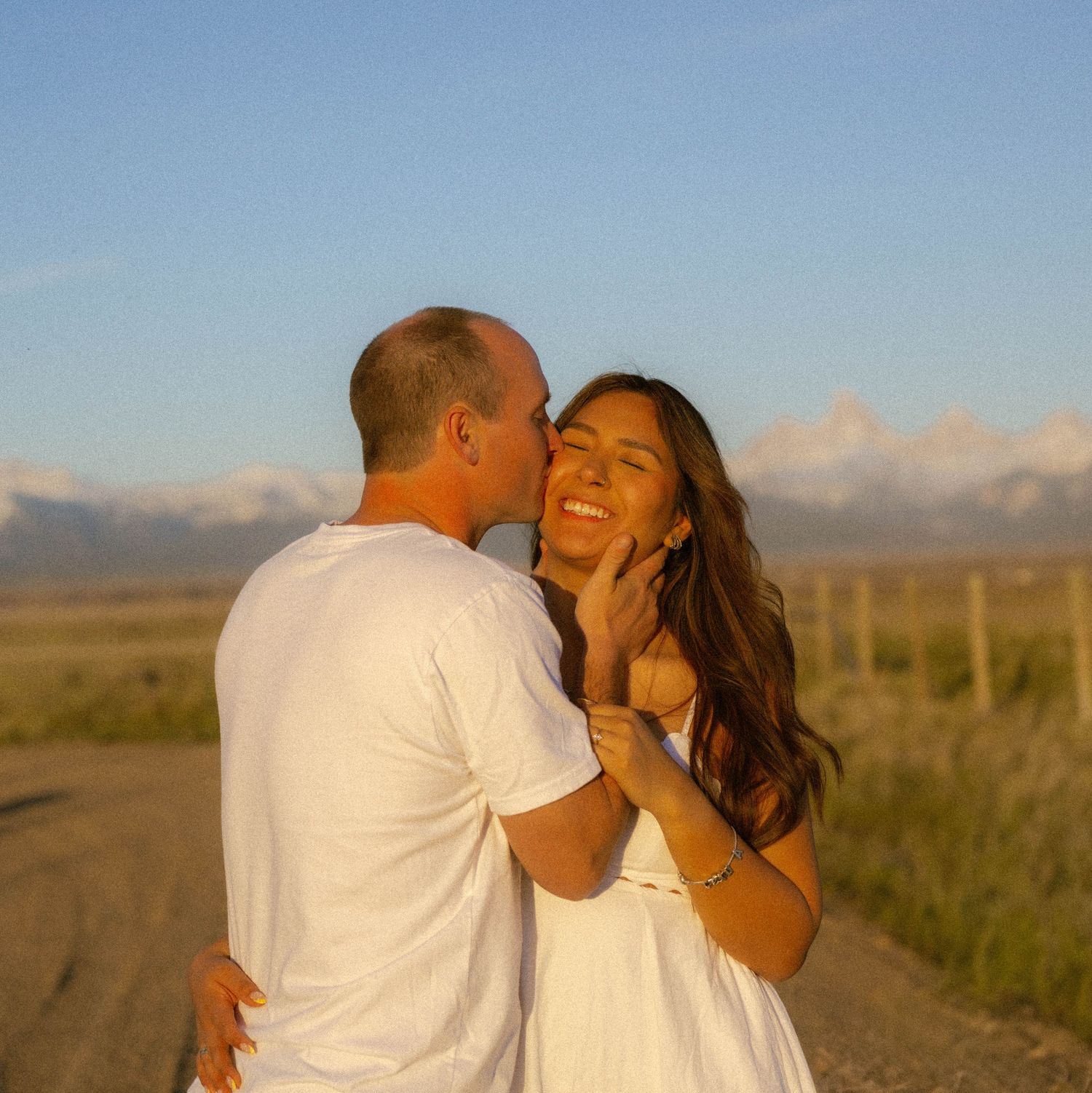
The most obvious reason is the quality of light. As the sun nears the horizon, its rays travel through more of the Earth’s atmosphere. This filters out the harsh blue light and leaves behind a warm, directional glow. Skin Tones: It acts like a natural "beauty filter," softening skin textures and adding a healthy, bronzed radiance. Color Palette: You get a spectrum of magentas, deep oranges, and soft yellows that are impossible to replicate in a studio.
2. Say Goodbye to Harsh Shadows.
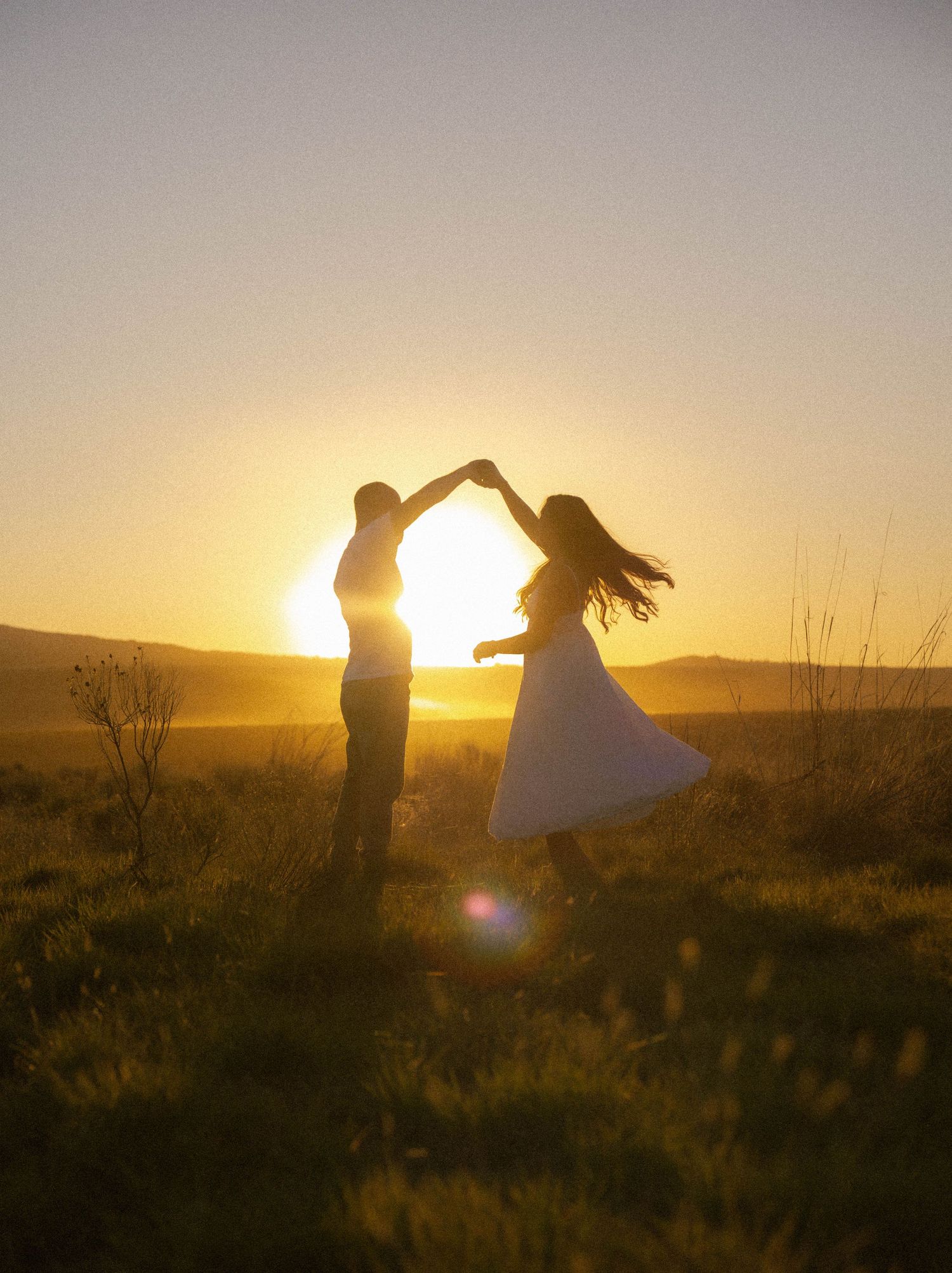
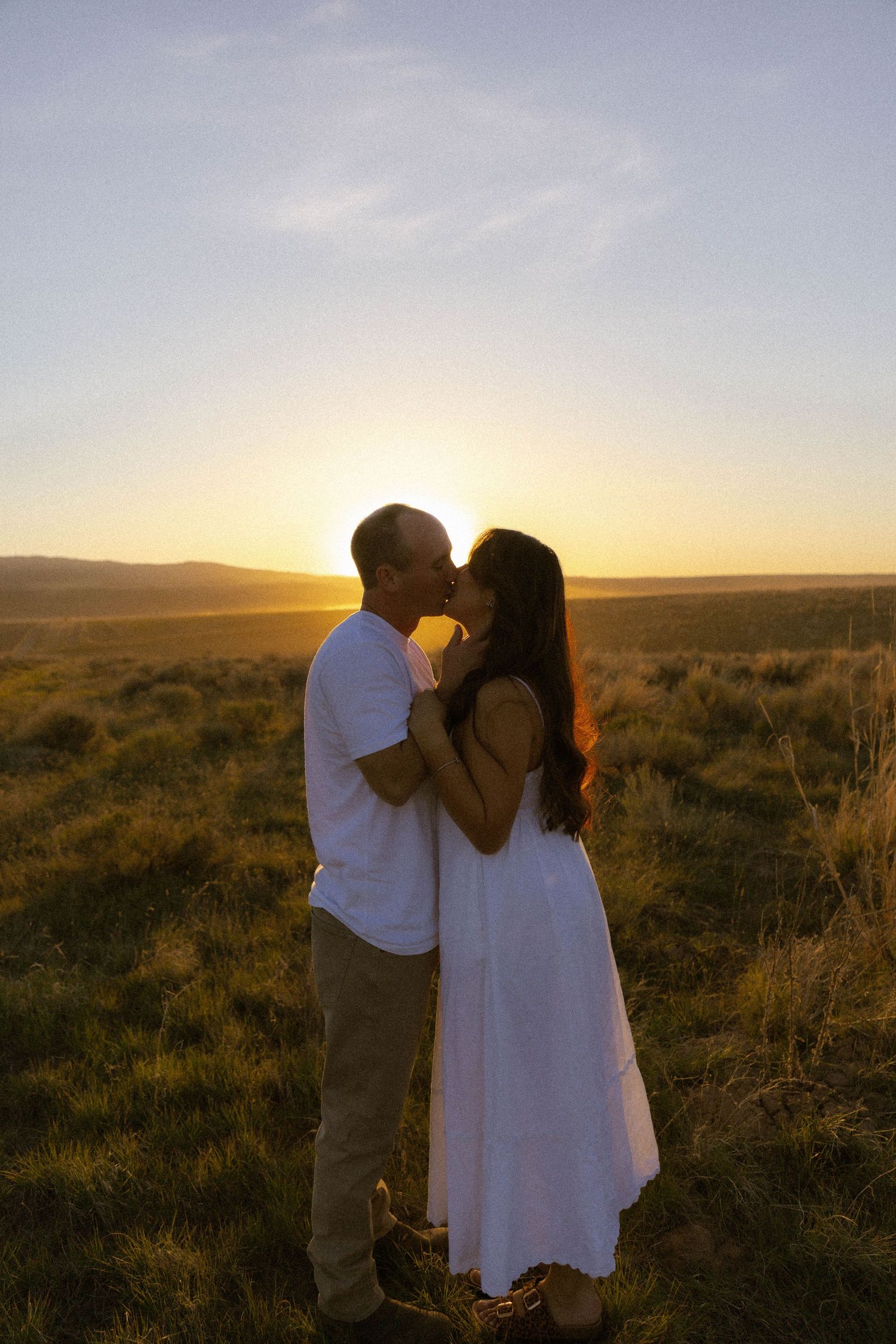
Midday sun is a photographer’s nightmare. It creates "raccoon eyes" (dark shadows under the brow) and blown-out highlights. At sunset, the sun is at a low angle, meaning the light is diffused and soft. Shadows become long, dramatic, and much more manageable. This allows for: Backlighting: Placing the sun behind your subject to create a "rim light" or halo effect. Silhouettes: A classic sunset technique where you expose for the sky, turning your subject into a dramatic black outline.
3. Texture and Dimension.
When light comes from the side rather than from directly overhead, it skims the surface of the world. This side-lighting emphasizes textures that usually look flat: The ripples in a lake. The blades of tall grass. The architectural details of an old building.
4. The Sky is a Natural Canvas.
During the day, the sky is often a flat, boring blue (or an overexposed white). At sunset, the sky becomes a secondary subject. Clouds catch the light from underneath, creating depth and a sense of "epic-ness" that makes any landscape look like a painting.
Tips for Nailing the Sunset Shot:
Feature, Best Practice, Timing. Arrive 45 minutes before the sun actually sets to catch the best light. White Balance Switch to "Cloudy" or "Shade" to keep those warm tones from being "corrected" to blue. The "Blue Hour"Don't pack up once the sun disappears! The 20 minutes after sunset offer cool, moody blues and pinks.
"Photography is the story I fail to put into words." — Destin Sparks.
Sunset photography is about more than just a pretty picture; it’s about capturing the fleeting transition between day and night. It’s the one time of day when nature does all the heavy lifting, and all we have to do is show up and press the shutter.