
For Photographers:
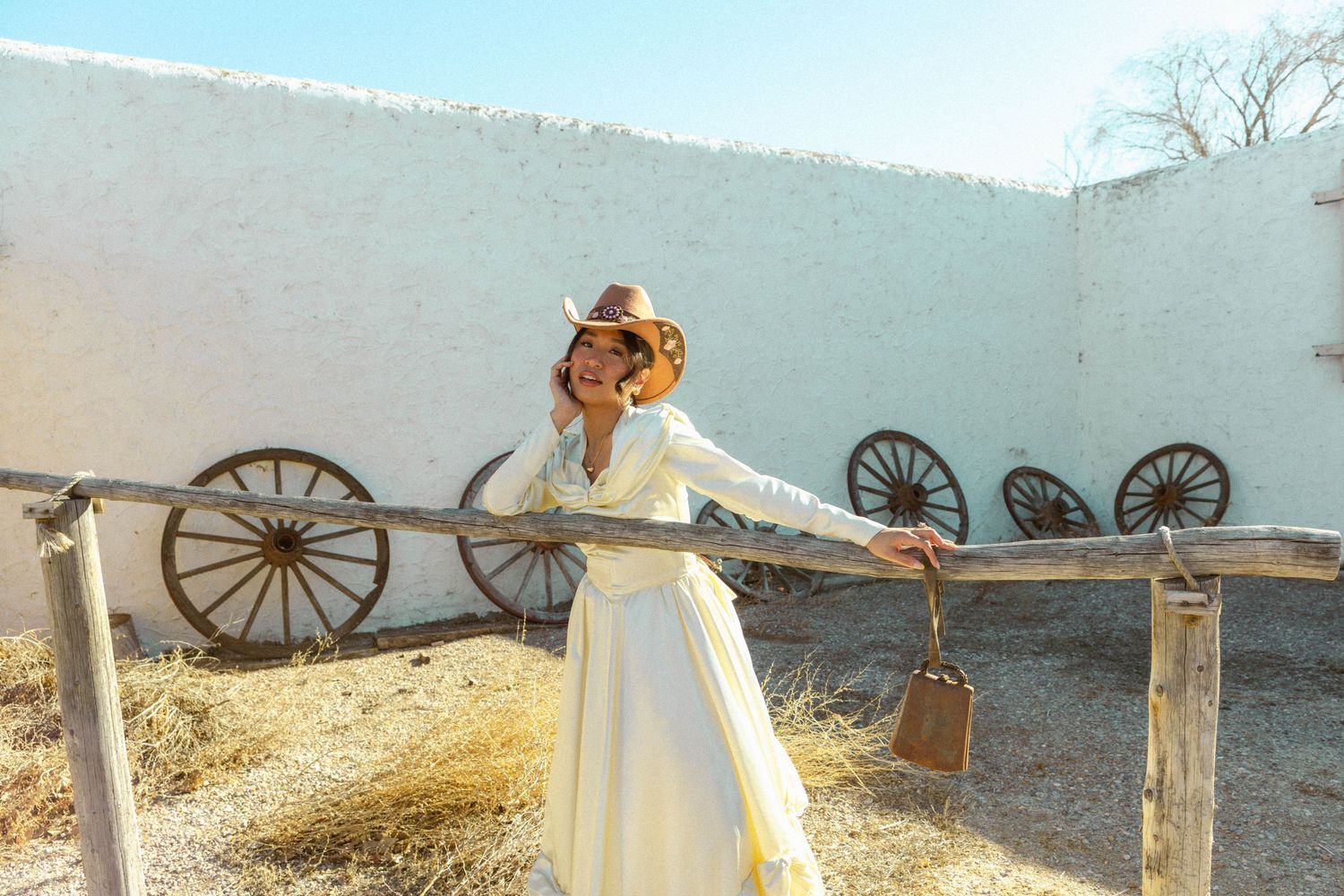
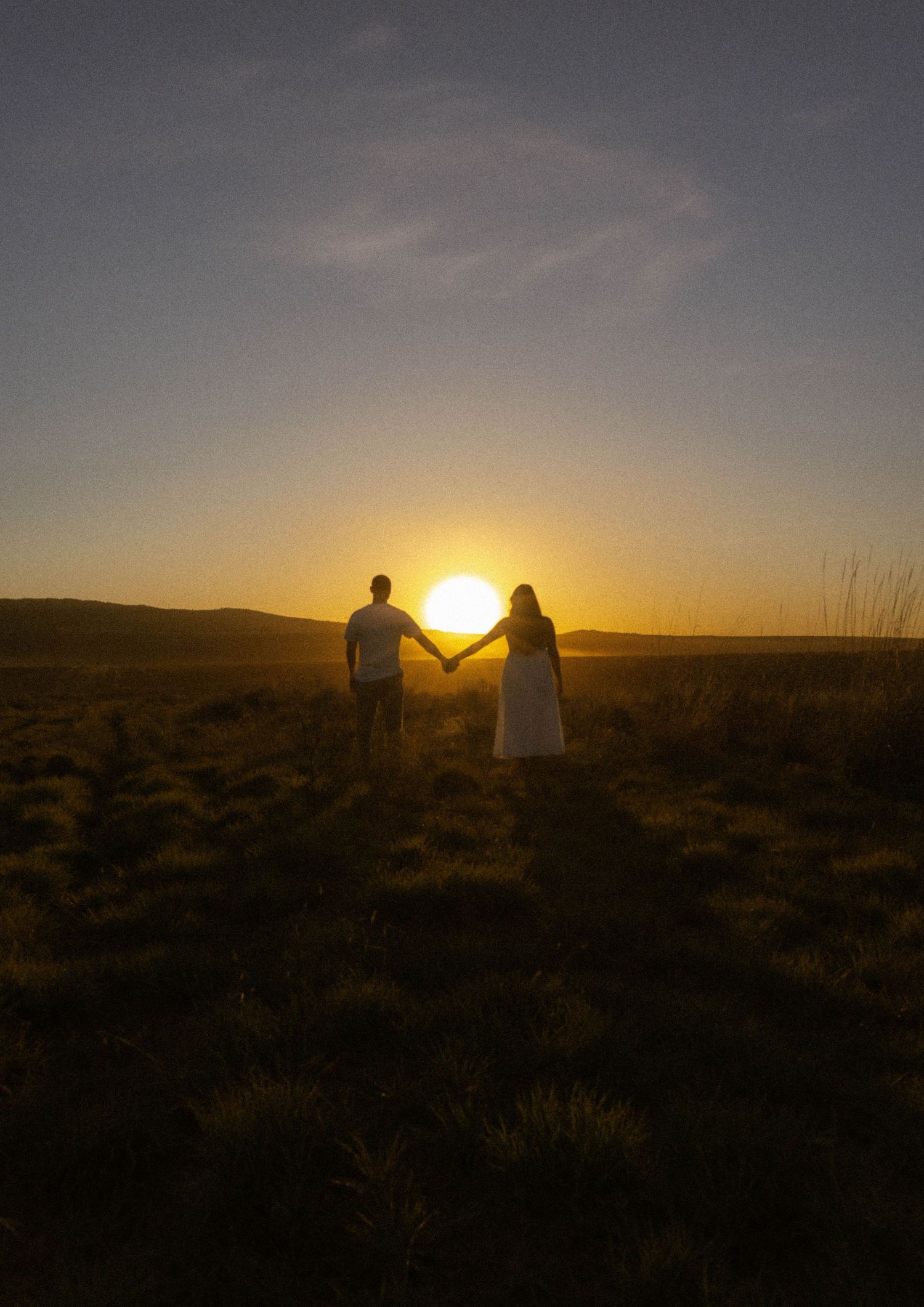
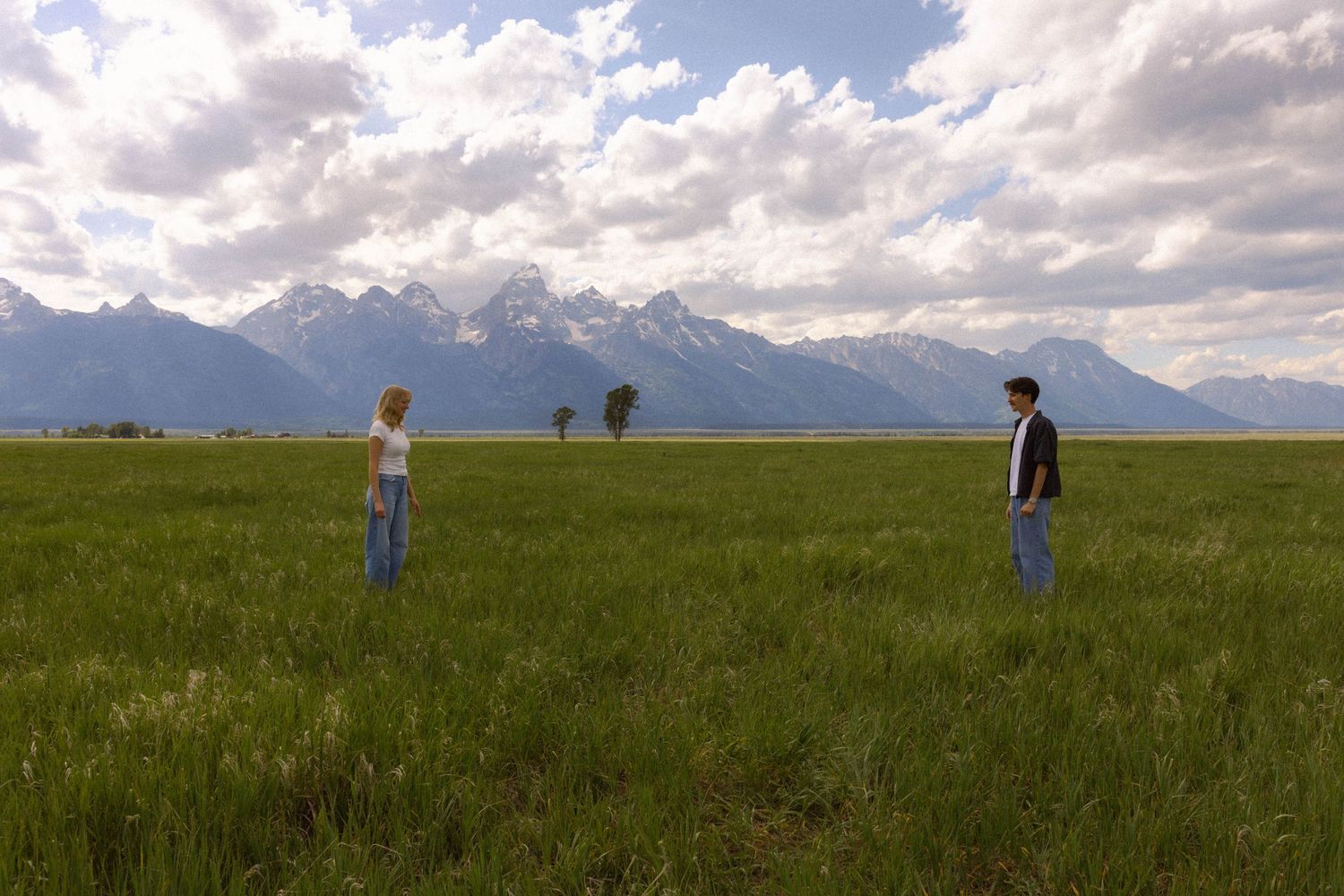
We’ve all been there: you tell a client to "act natural," and suddenly they forget how to use their own arms. The secret to those breathtaking, cinematic shots you see in movies isn’t actually total spontaneity—it’s directed movement.
To create a cinematic feel, you aren't just a photographer; you're a director. Here is how to master the art of cinematic candid posing.
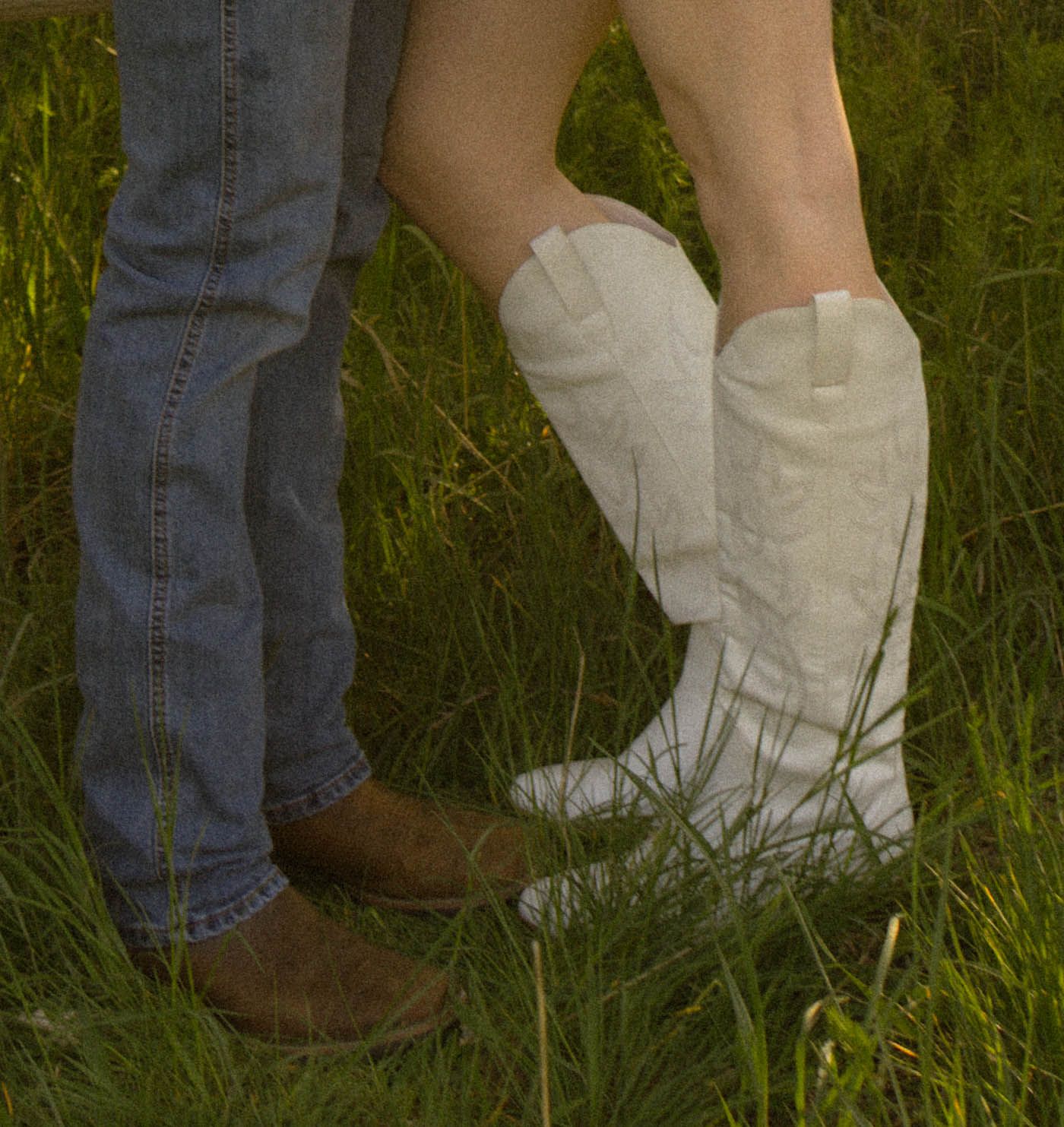
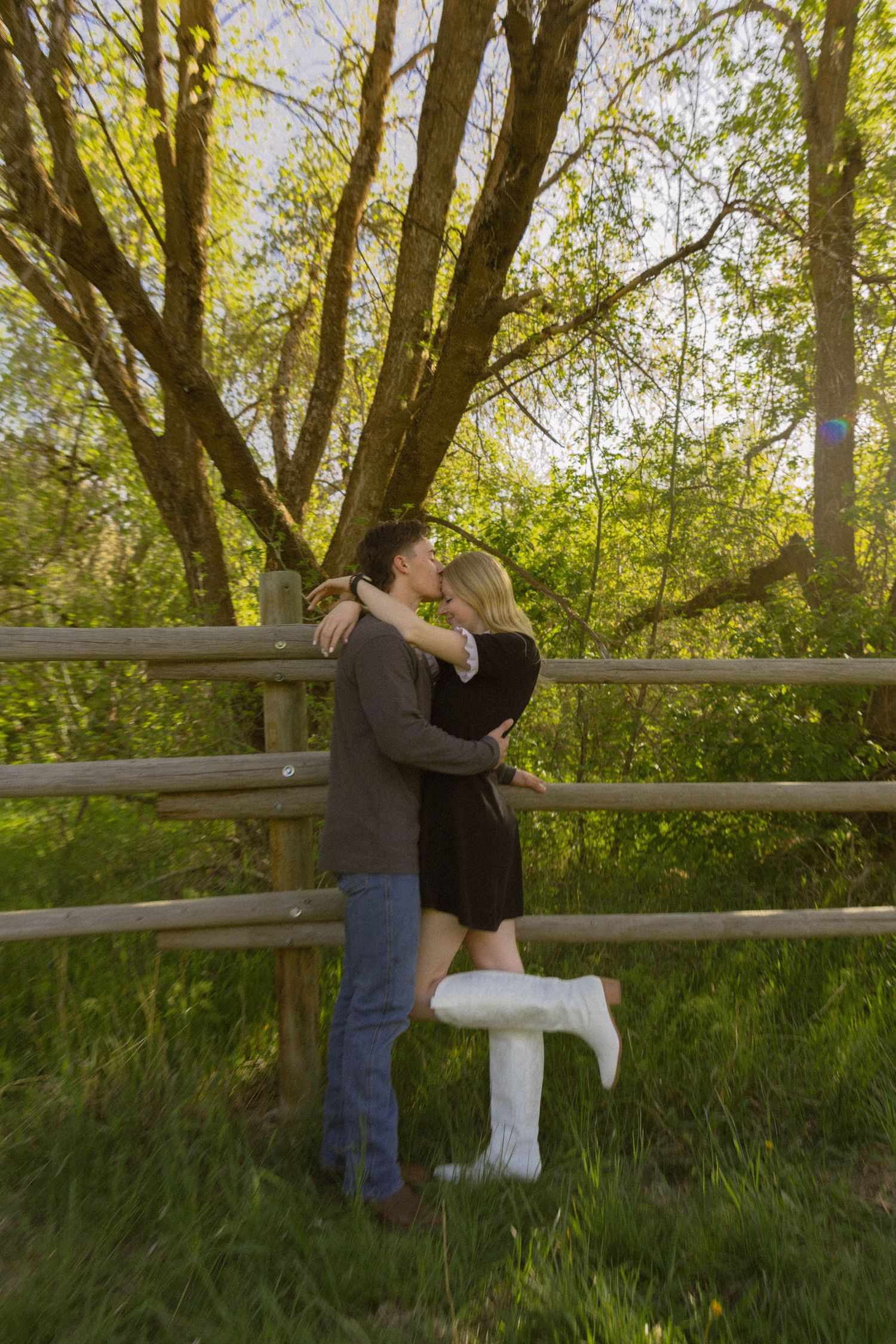
1. Give Them a Mission, Not a Pose
Static poses often feel "loud" and performative. To get a cinematic look, give your subject a task that requires focus. When the mind is busy, the body relaxes.
The Walk-and-Talk: Have them walk toward or away from you while discussing their favorite meal.
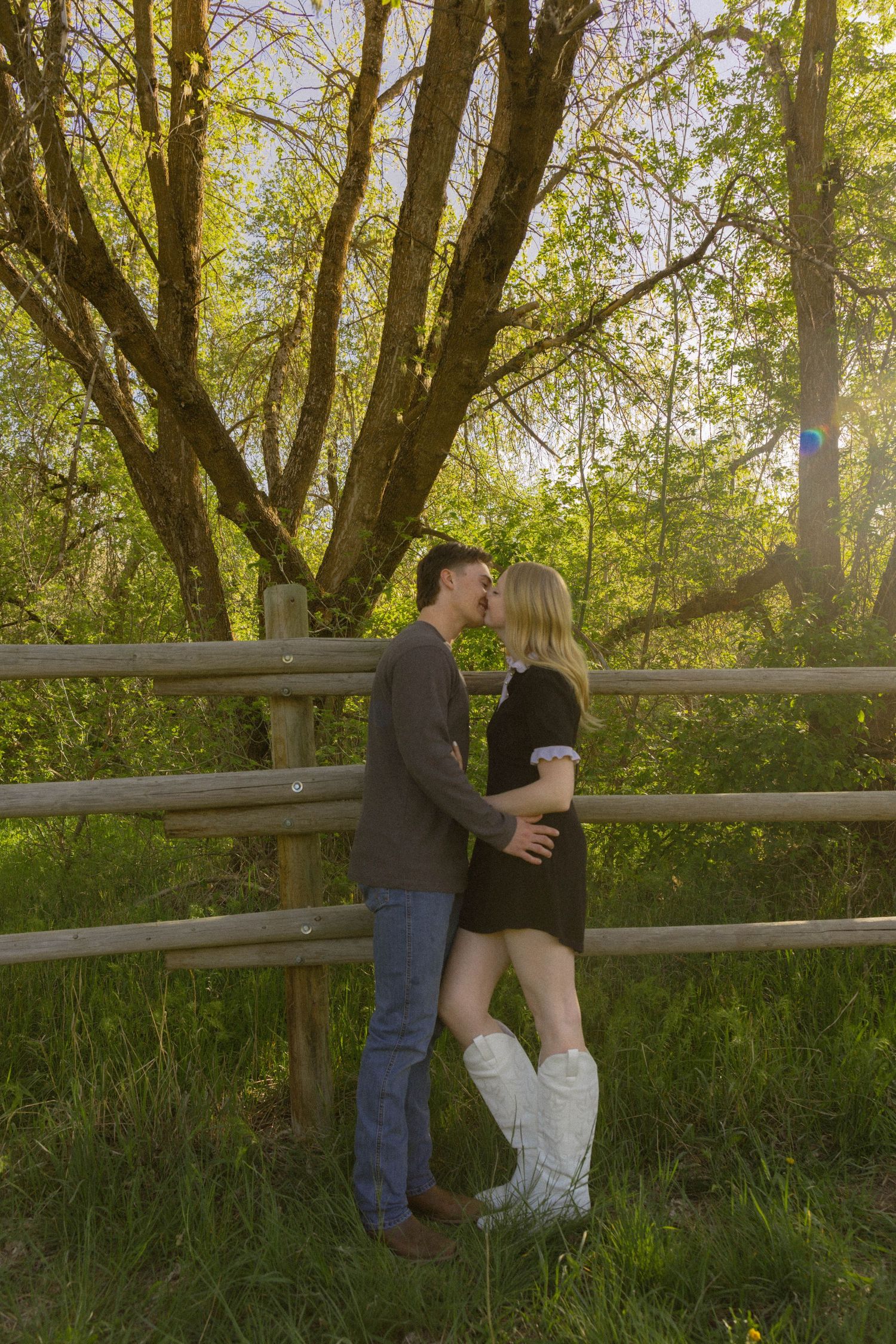
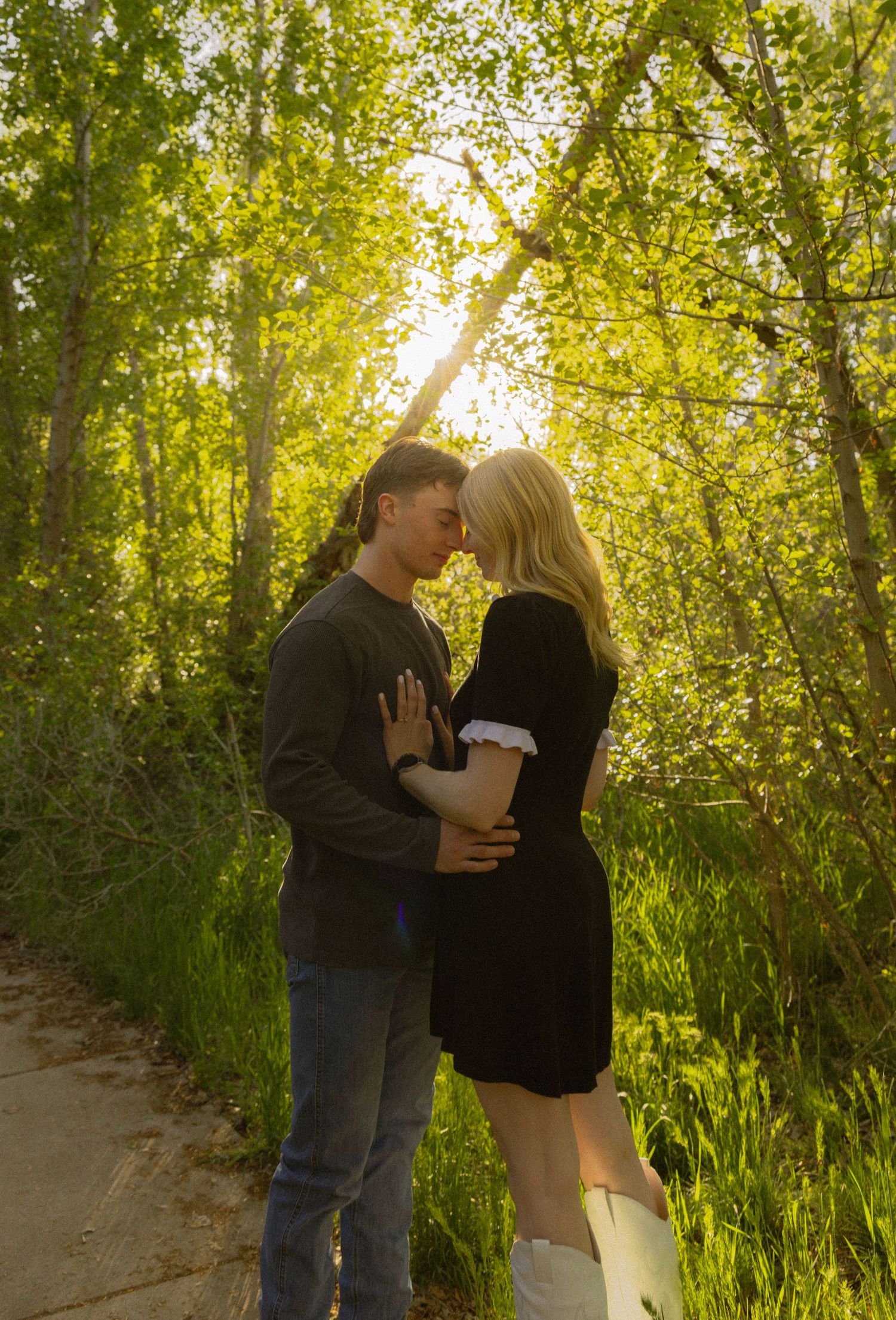
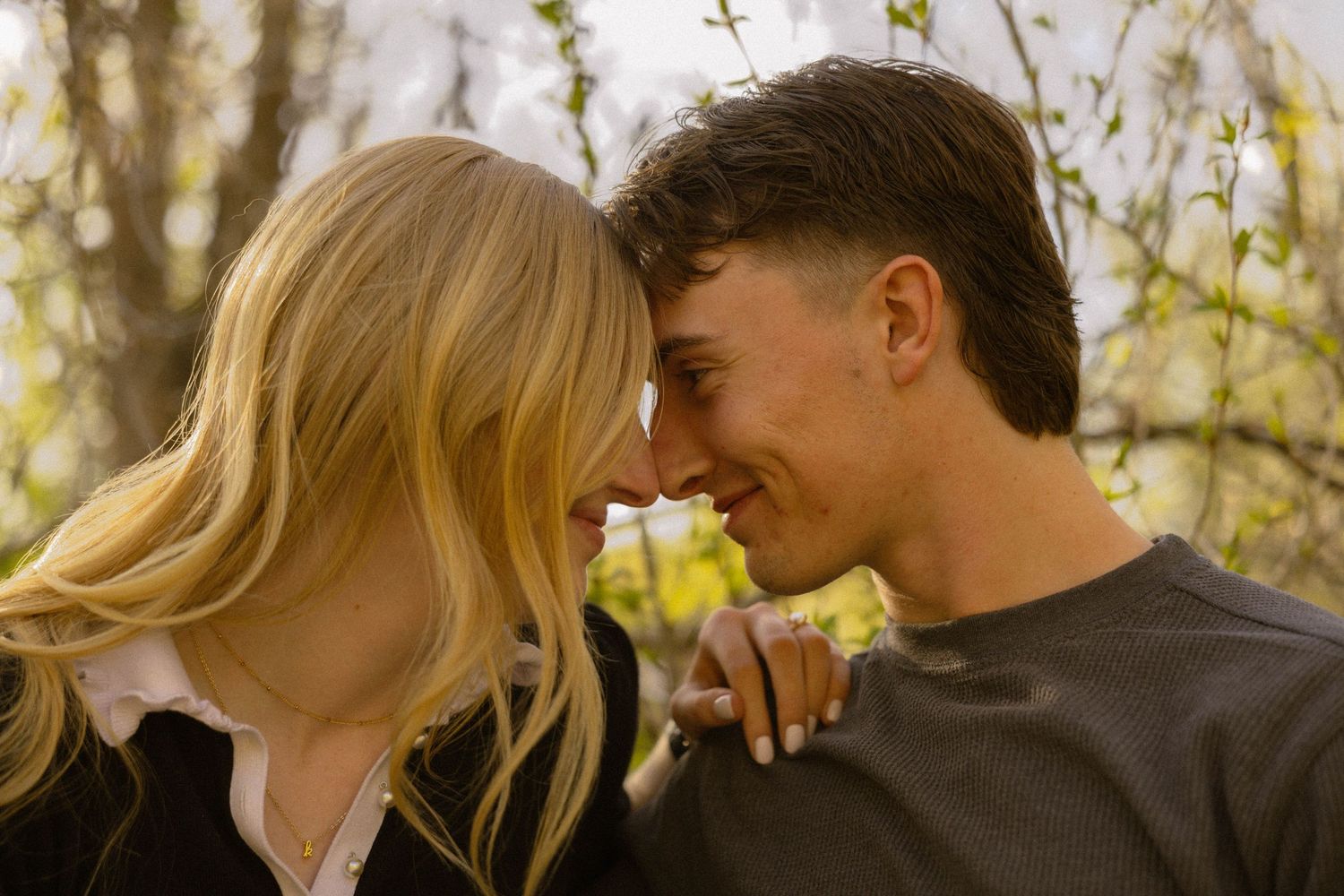
The Interaction: If it’s a couple, ask them to whisper a secret or try to make the other person laugh without using "funny" words.
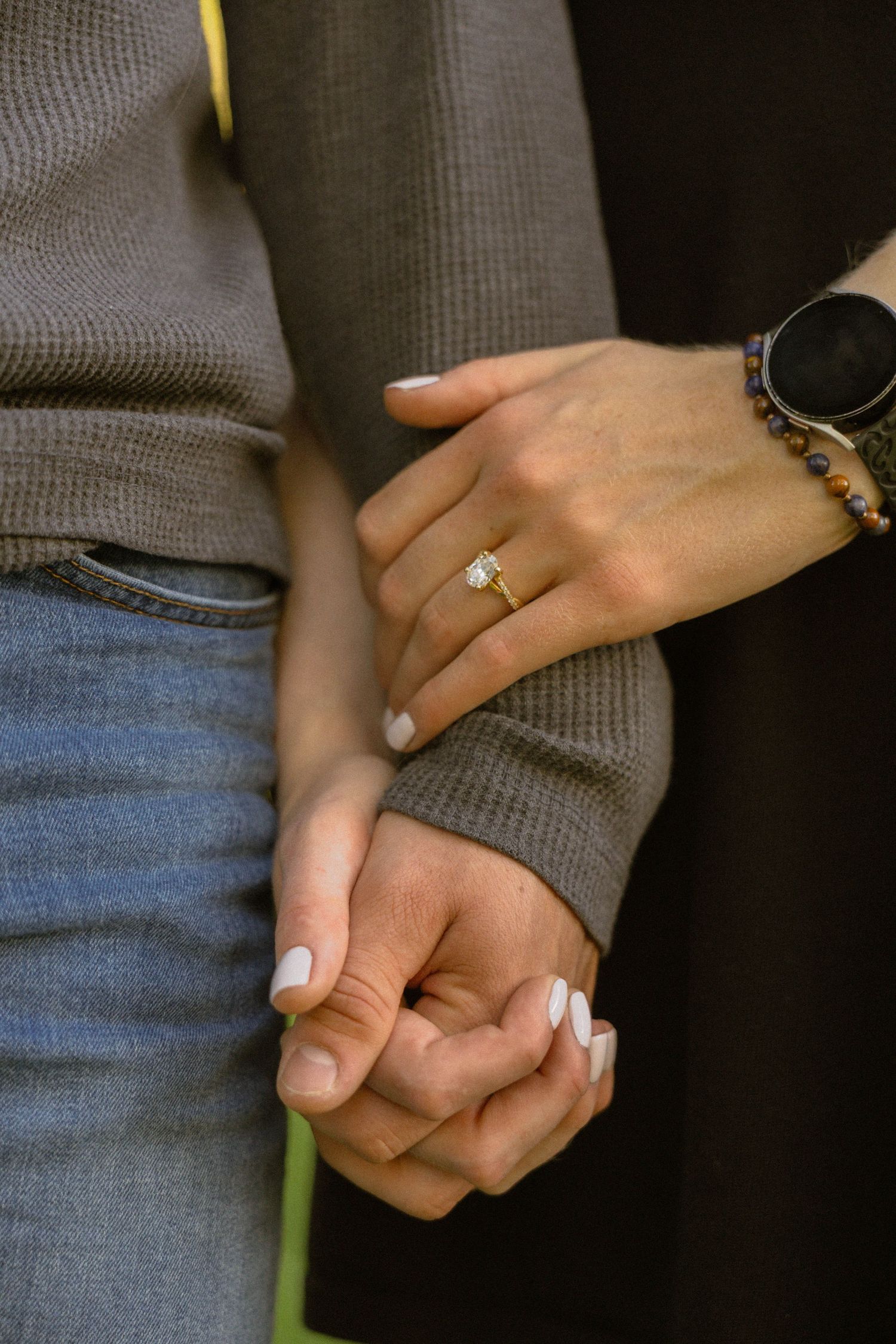
The Object Fixation: Give them a coffee cup, a book, or even a jacket to adjust.
2. Embrace the "In-Between" Moments
The "shot" usually happens right after you tell them you’re done.
Keep the shutter going: The moment they exhale, laugh at how awkward a pose felt, or glance away to check their surroundings is usually where the real magic lives.
The "Look Away" Rule: Rarely do movie characters stare directly into the lens. Have your subject track something in the distance to create a sense of scale and wonder.
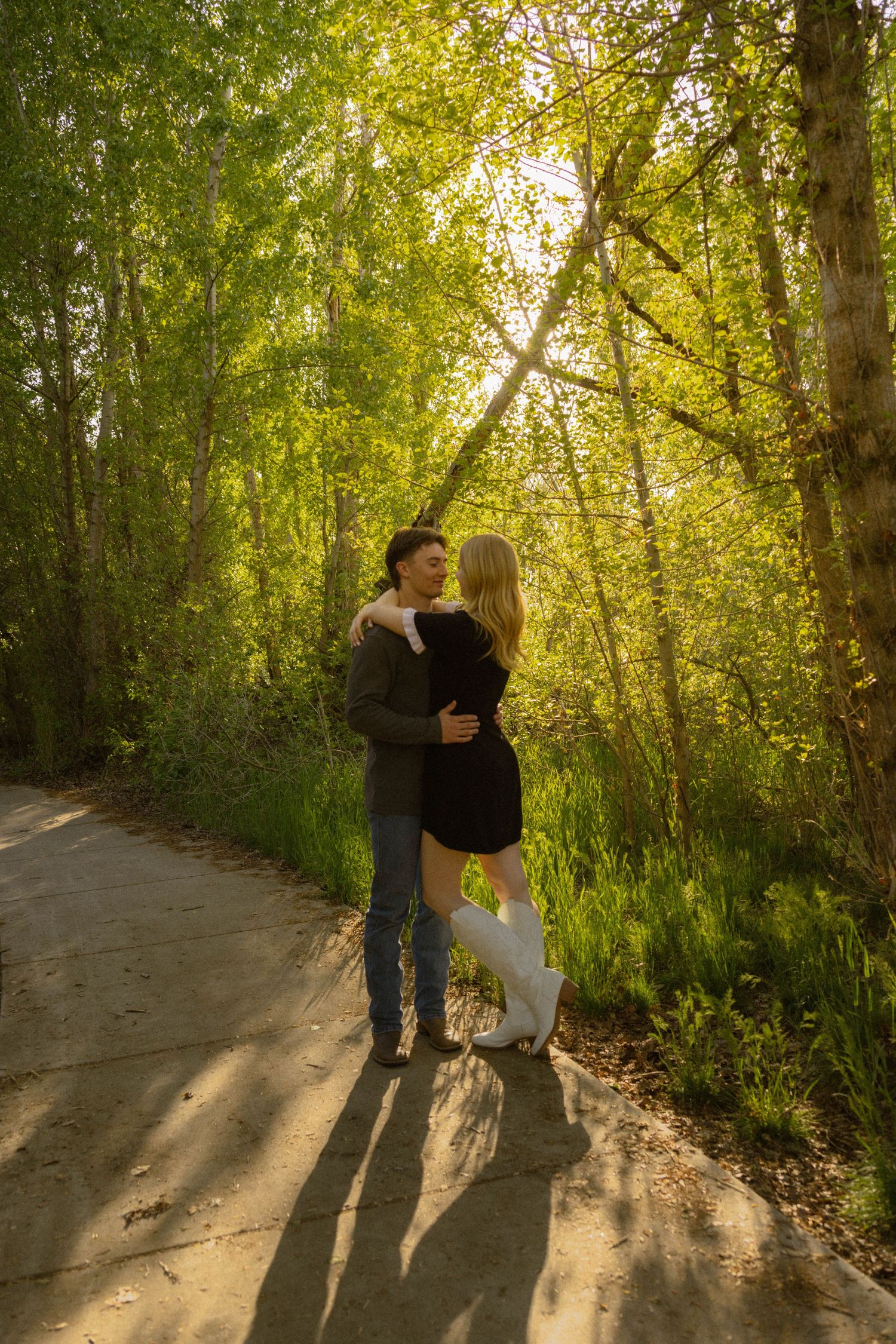
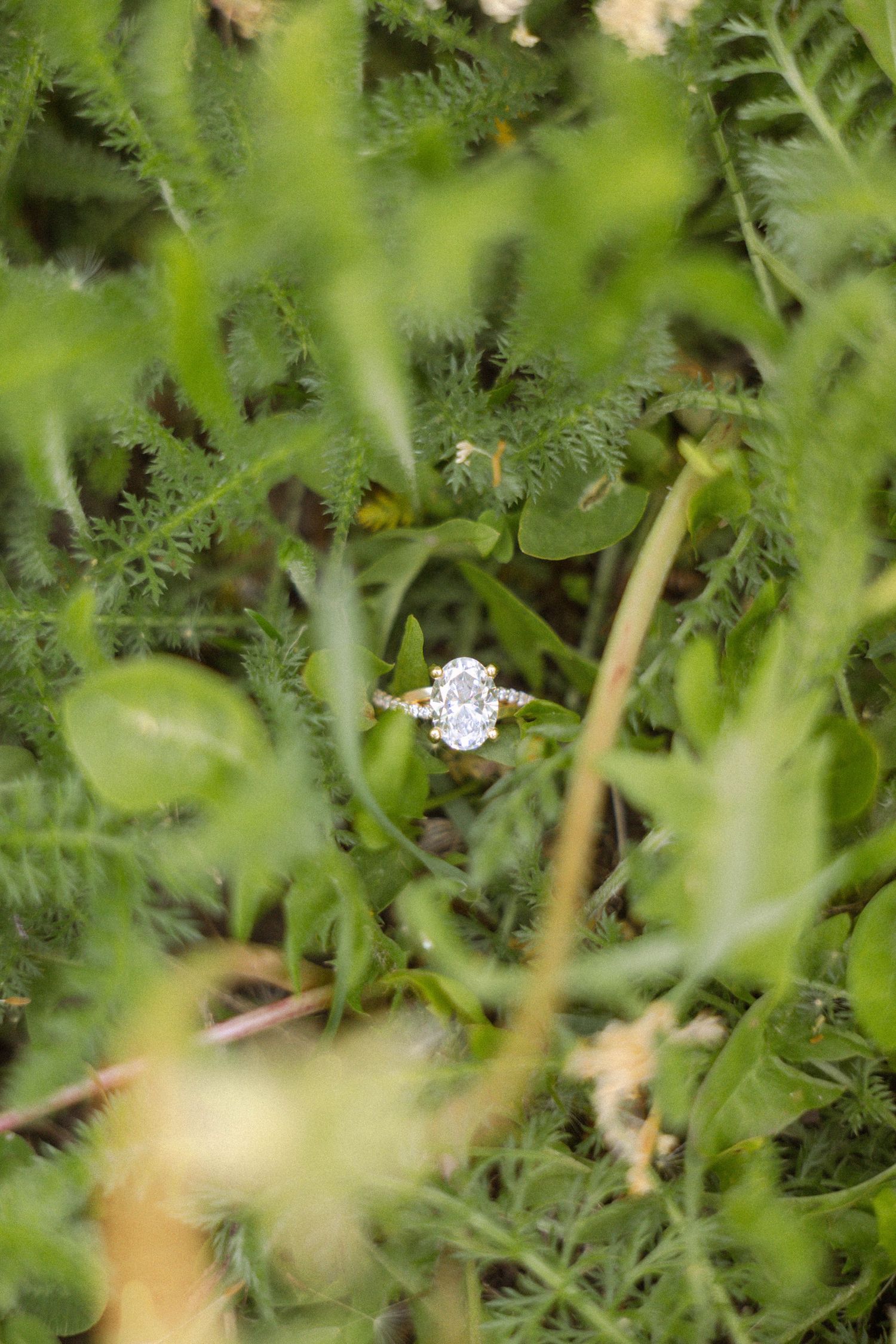
3. Use Environmental Storytelling
Cinematic shots rely heavily on composition to imply a narrative.
Shoot through objects: Use foreground elements like leaves, glass, or door frames. This "voyeuristic" perspective makes the viewer feel like they are peeking into a private moment.
Depth of Field: A shallow depth of field helps isolate the subject, but don't go too blurry. You want enough of the background visible to tell us where they are.
4. Direct the Eyes, Not the Face
The eyes carry the weight of the story. Instead of saying "look left," try these prompts:
"Look at something on the horizon that makes you feel nostalgic."
"Close your eyes and listen to the sounds around us." (This creates a peaceful, serene facial expression).
"Look down at your hands like you’re lost in thought."

Final Thoughts
Cinematic photography is less about the "perfect" smile and more about the perfect mood. Stop looking for the pose that looks the best, and start looking for the movement that feels the most honest.
What’s your favorite prompt to get clients to loosen up? Drop a comment below!