1. Mormon Row Historic District
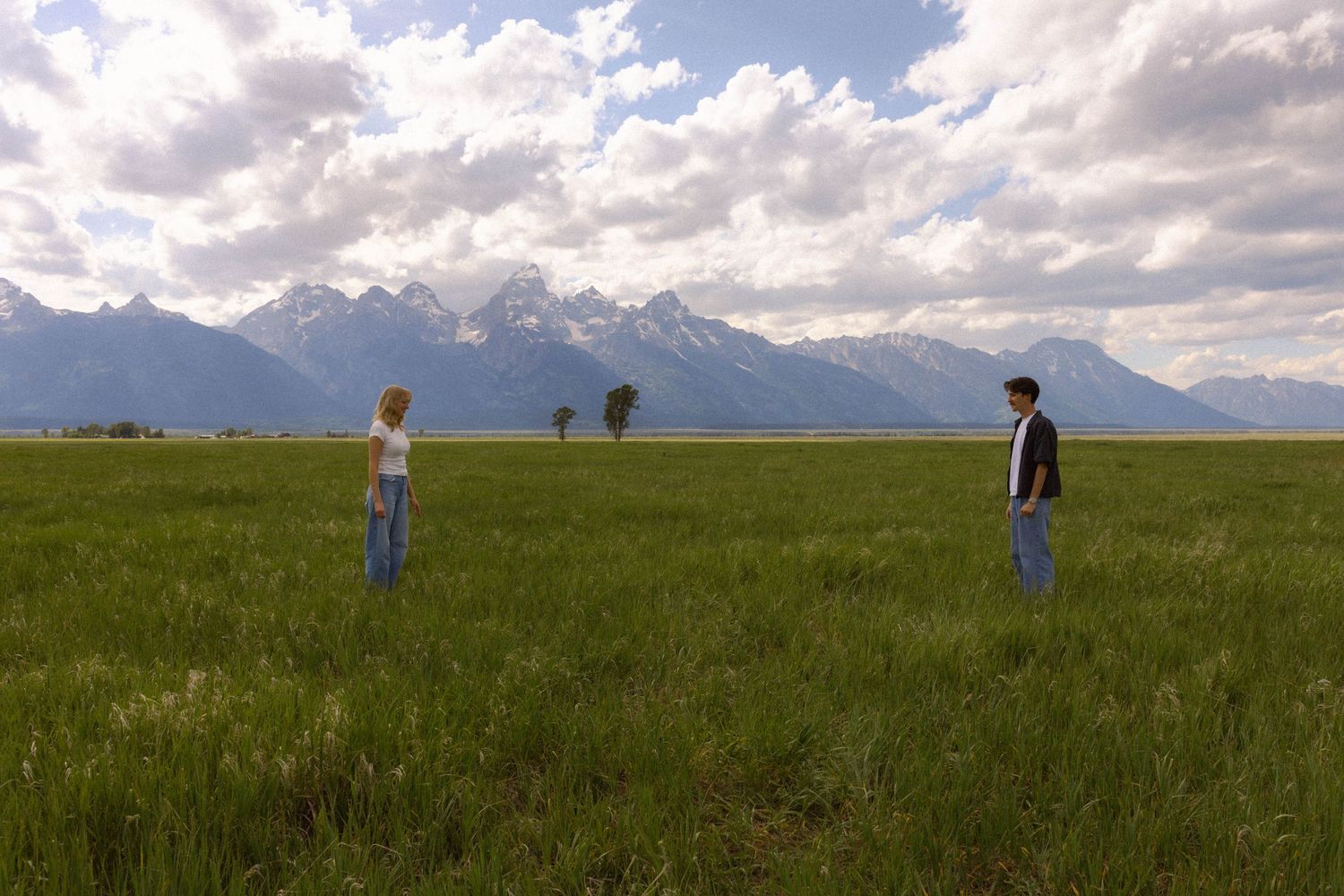
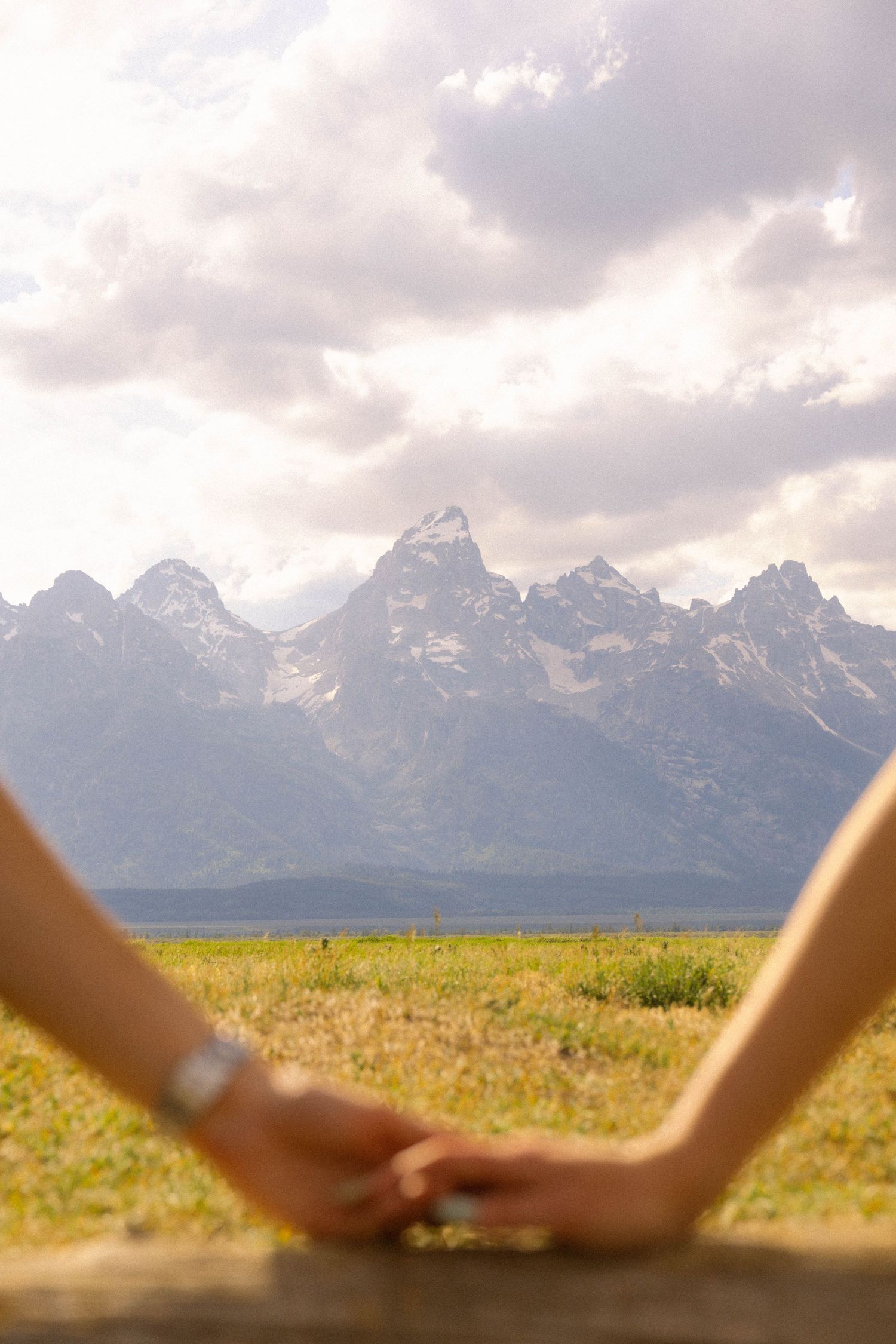
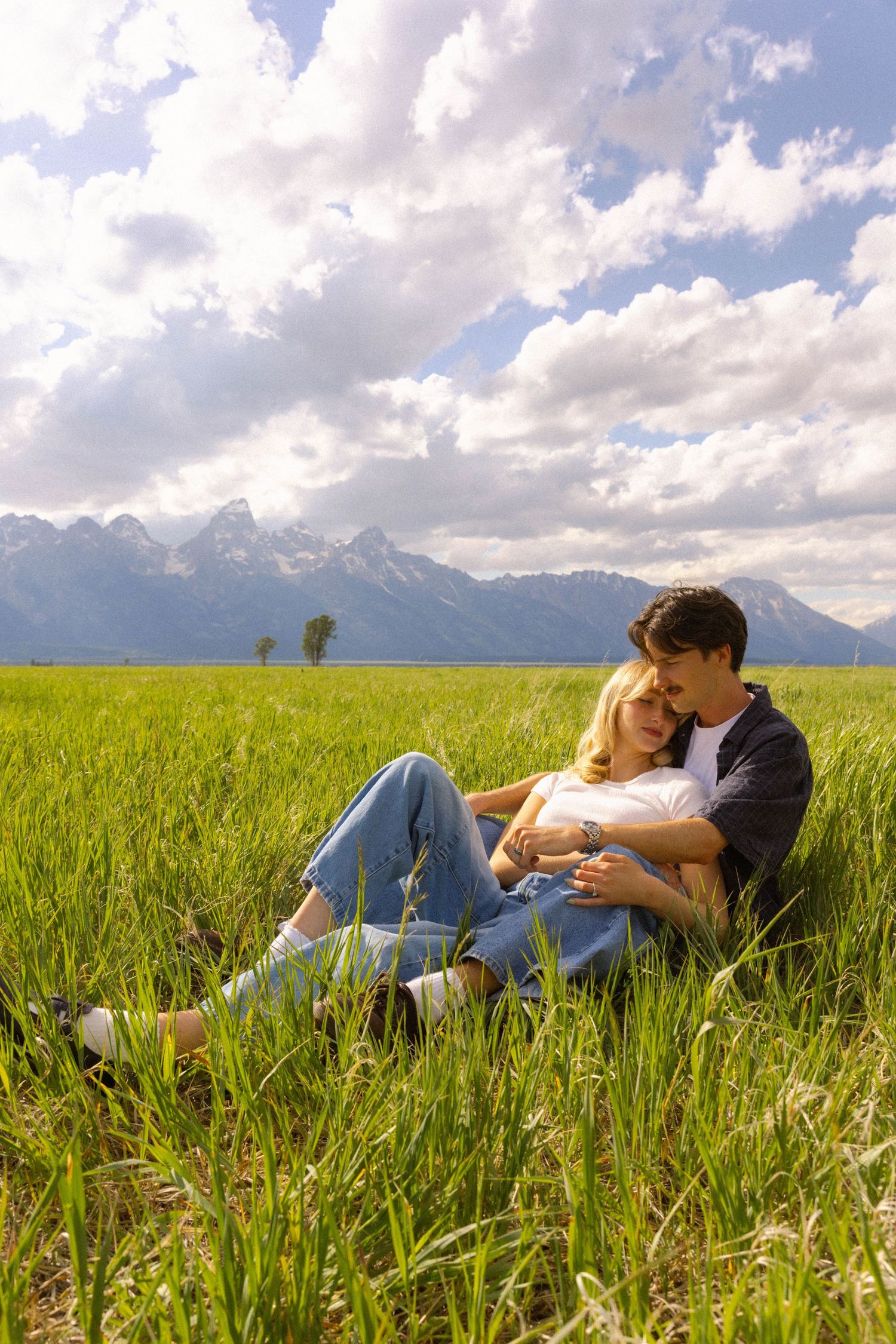
If you want to capture the iconic, rustic spirit of the American West, the Mormon Row Historic District is an absolute must-visit. Settled in the late 1890s by Mormon homesteaders, this area features a line of historic wooden structures, most notably the T.A. Moulton Barn and the John Moulton Barn.
Best Time for Photography: Sunrise. As the sun rises behind you, it paints the face of the Teton Range in a brilliant golden-orange glow, perfectly illuminating the weathered wood of the barns.
Composition Tips: Position your tripod so the barn sits in the lower third of your frame with the massive Grand Teton peak towering directly behind it.
Wildlife Opportunities: Keep an eye out for wandering bison or pronghorn herds that frequently cross the sagebrush flats in front of the historic structures.
2. Schwabacher Landing
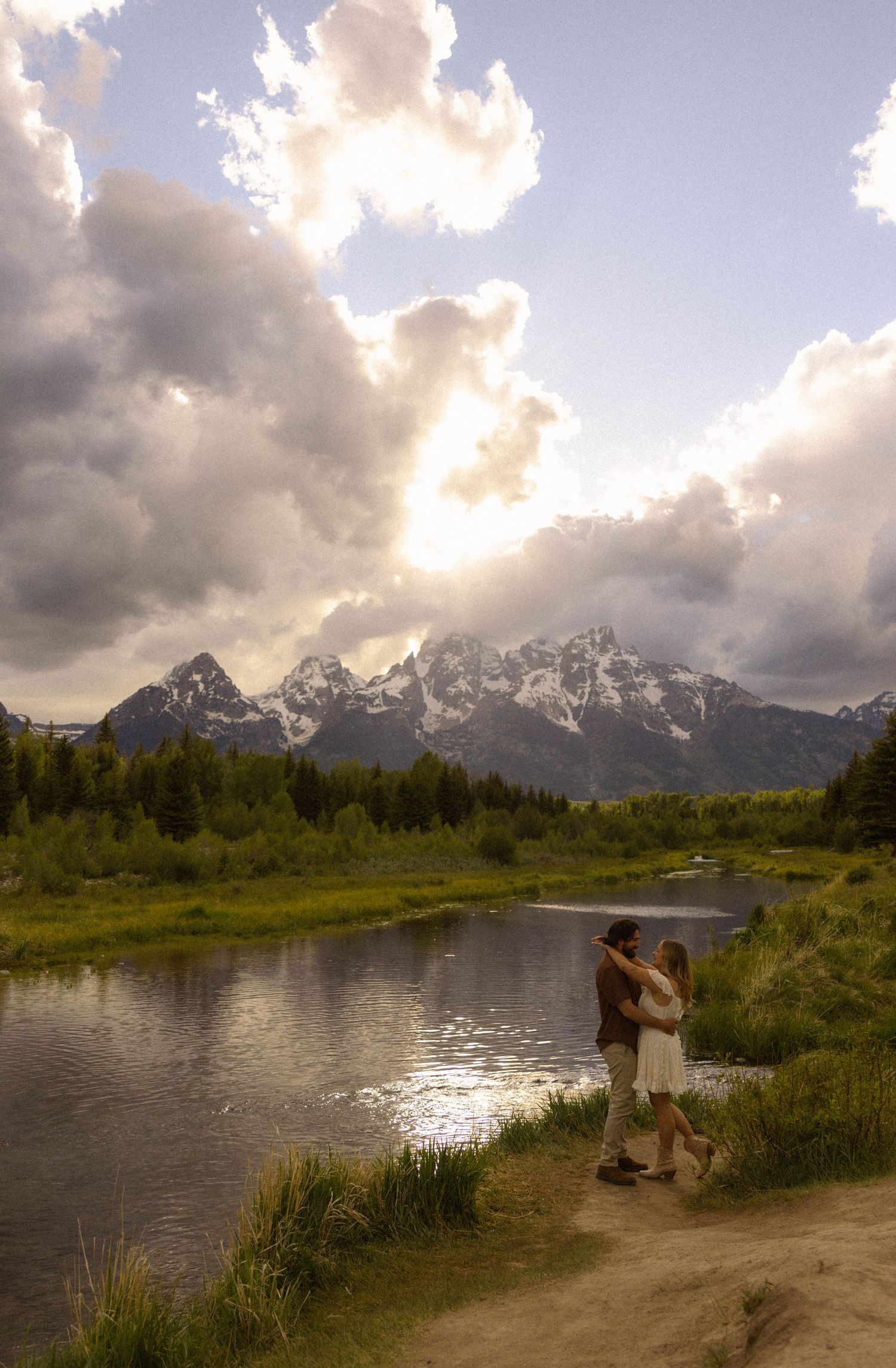
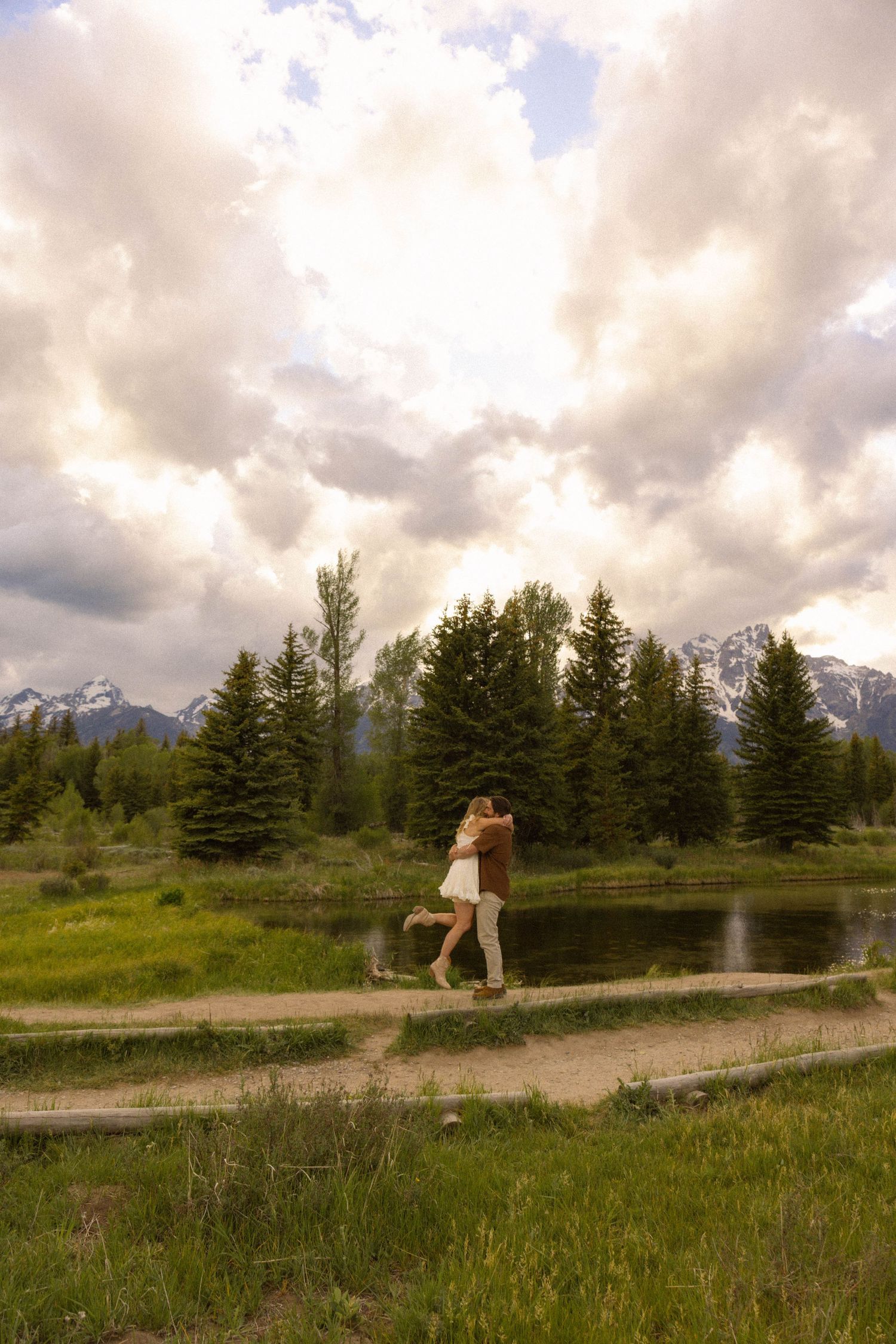
For that flawless, mirror-like reflection of the mountains, head straight to Schwabacher Landing. This iconic photography location features a calm, slow-moving side channel of the Snake River, backed by an unobstructed view of the Cathedral Group peaks.
Best Time for Photography: Early Morning. The wind is usually dead calm right after dawn, which is essential if you want to capture a perfectly glassy, undisturbed reflection on the water.
Composition Tips: Walk about a half-mile along the dirt trail from the parking lot to find where beaver dams have created perfectly still pools. Get low to the ground to maximize the double-image symmetry.
Wildlife Opportunities: This is prime moose territory in Grand Teton. They love feeding on the willows along the river bottom, especially during the early morning hours.
3. Taggart Lake Trail
If you want a stunning landscape shot that feels earned, lace up your hiking boots and head to Taggart Lake. Unlike the roadside overlooks, this spot requires an easy-to-moderate 3.3-mile roundtrip hike. The reward is a pristine alpine lake sitting directly beneath the shadow of the Grand Teton.
Best Time for Photography: Late Afternoon to Sunset. While morning light is great, the late afternoon sun illuminates the ridges, canyons, and granite textures around Taggart Lake with incredible depth.
Composition Tips: The shoreline is scattered with large boulders and fallen pine trees. Use these natural elements in your foreground to create a sense of depth and scale against the mountain backdrop.
Seasonal Tip: If you are visiting Grand Teton in June, the trail is often bursting with vibrant yellow balsamroot and purple lupine wildflowers.

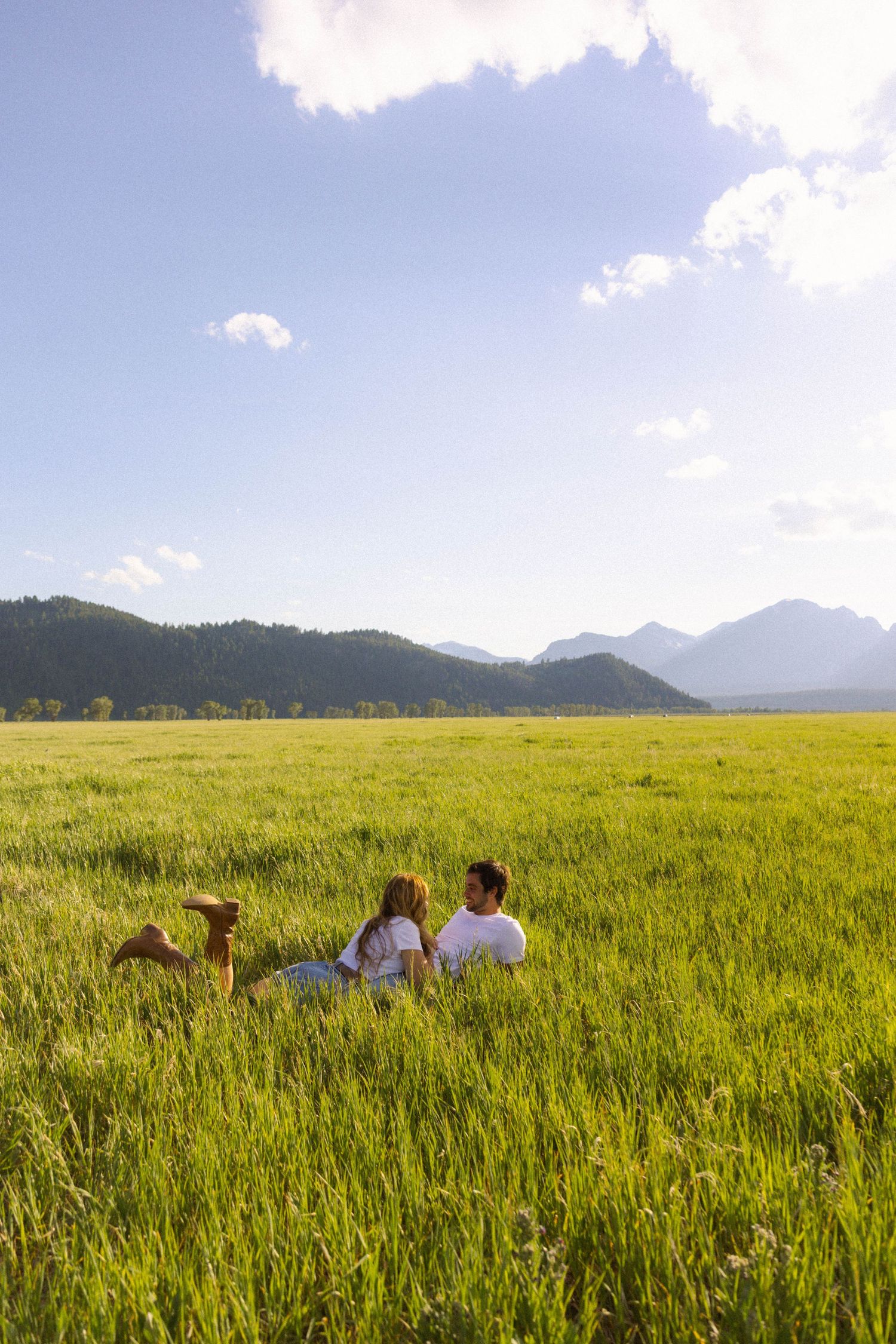
Grand Teton Photography Tips
To get the most out of your landscape photography trip, keep these quick tips in mind:
Arrive During Blue Hour: The 30 minutes before sunrise offer a soft, ethereal light that is incredible for long-exposure photography.
Pack the Right Gear: A sturdy tripod is essential for sharp morning shots, and a circular polarizer will help manage reflections and boost sky contrast.
Stay Safe Around Wildlife: Grand Teton is grizzly bear and moose country. Always carry bear spray in an accessible spot and use a telephoto zoom lens to maintain a safe distance from animals.